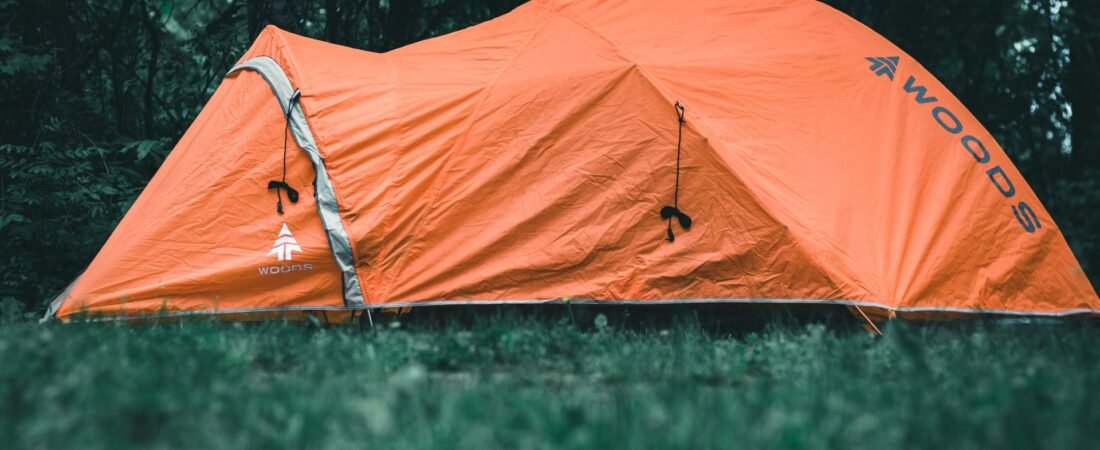
Camping is one of the best ways to enjoy nature, explore new destinations, and escape the stress of everyday life. Whether you are planning a weekend getaway, a family camping trip, or a challenging backpacking adventure, choosing the right camping tent can make a significant difference in your outdoor experience.
With so many options available, finding the best camping tents for campers can feel overwhelming. Different tents offer different levels of comfort, durability, weather protection, and portability. Understanding these features will help you select a tent that suits your needs, budget, and camping style.
In this guide, we will explore the different types of camping tents, the essential features to consider, and practical tips for choosing the perfect tent for your next outdoor adventure.
Why Choosing the Right Camping Tent Matters
A camping tent is more than just a temporary shelter. It protects you from wind, rain, insects, and other outdoor elements while providing a comfortable place to rest after a day of adventure.
The right tent can improve your camping experience in several ways:
- Weather protection: A well-designed tent helps protect you from rain, wind, and changing temperatures.
- Comfort and space: Choosing the appropriate tent size provides enough room for sleeping, storing equipment, and relaxing.
- Easy setup: User-friendly designs allow you to pitch your tent quickly, especially when daylight is fading.
- Durability: Quality materials and sturdy poles help your tent withstand regular outdoor use.
- Portability: Lightweight tents are easier to carry on hiking trips, while larger models are suitable for car camping.
By considering these factors before purchasing, you can find a camping tent that meets your expectations and offers reliable performance.
Different Types of Camping Tents for Campers
Before buying a tent, it is important to understand the main types available. Each design serves a different purpose, depending on your destination, group size, and outdoor activities.
1. Dome Camping Tents
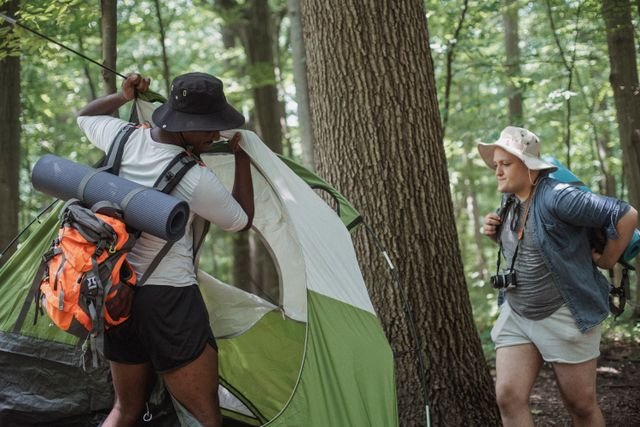
Dome tents are among the most popular options for recreational campers. Their curved structure provides a good balance of stability, interior space, and ease of assembly.
Many dome tents are suitable for weekend camping, outdoor festivals, and short trips with friends or family. Their relatively simple design also makes them a practical choice for beginners.
Best for: Beginners, couples, and casual campers looking for a versatile shelter.
2. Family Camping Tents
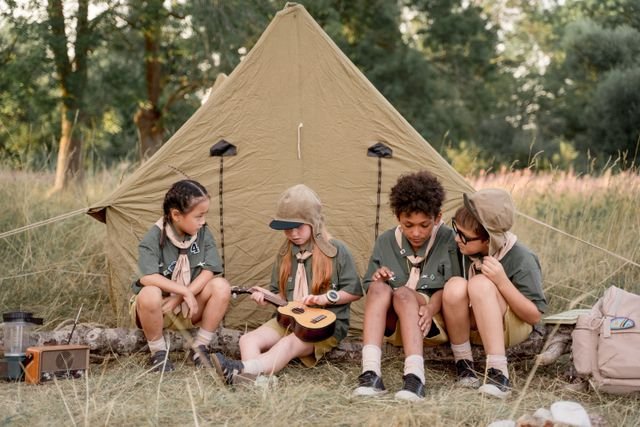
Family camping tents are designed to provide additional sleeping space and comfort for multiple people. Some models include separate sleeping areas, storage pockets, and extended vestibules for shoes and camping equipment.
These tents are generally larger and heavier than smaller camping models, making them particularly suitable for campsites accessible by car.
Best for: Families, groups, and campers who prioritize space and comfort.
3. Lightweight Backpacking Tents
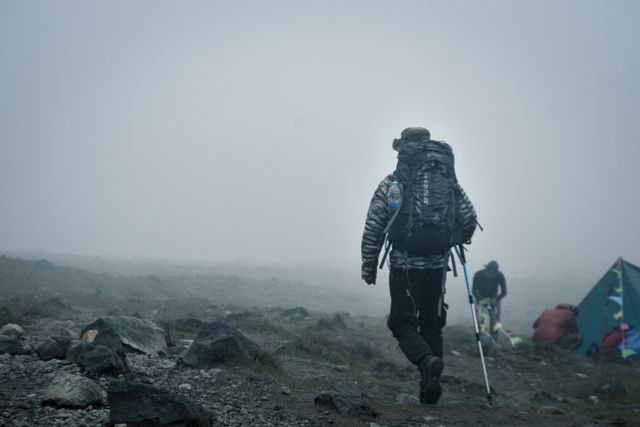
Backpacking tents are designed for campers who need to carry their equipment over long distances. They typically use lightweight fabrics, compact poles, and space-saving designs.
Although these tents are easy to transport, some models provide less interior room than larger recreational tents. Checking the packed weight, floor dimensions, and weather protection is essential before buying.
Best for: Hikers, backpackers, and adventure travelers.
4. Waterproof Camping Tents
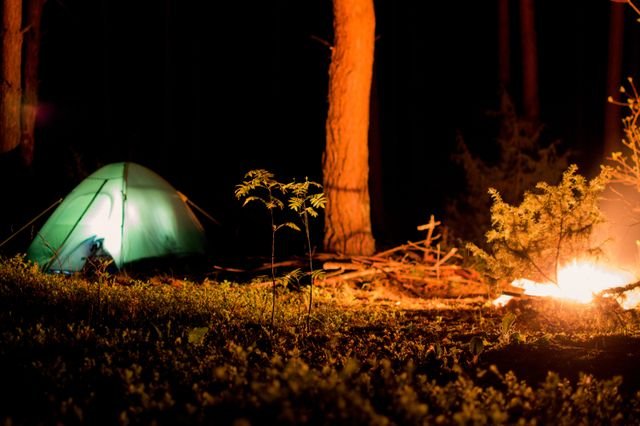
Waterproof camping tents are designed to help keep campers dry during wet conditions. They commonly feature water-resistant or waterproof rainflies, protected seams, and bathtub-style floors.
However, no tent should be assumed to be completely waterproof under every condition. Check the manufacturer’s specifications, seam construction, and recommended weather conditions before making a purchase.
Best for: Campers who expect rain or frequently travel to locations with unpredictable weather.
5. Four-Season Camping Tents
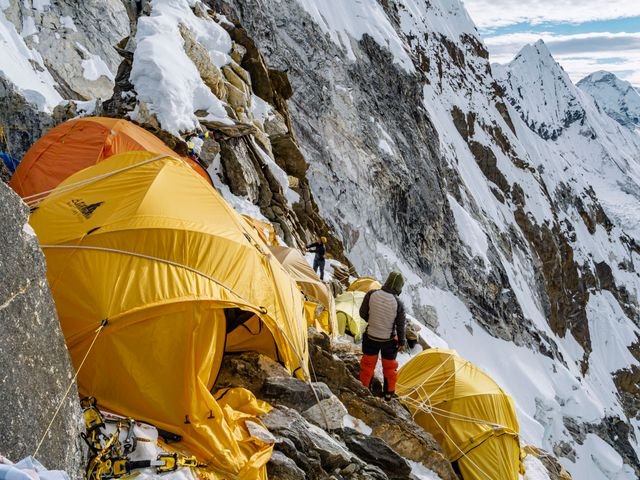
Four-season tents are built for demanding environments, including cold temperatures, strong winds, and certain snowy conditions. They often feature stronger pole structures and fabrics designed for harsher weather.
These tents can be heavier, more expensive, and less ventilated in warm conditions than typical three-season models. They are most useful when the expected environment justifies their specialized construction.
Best for: Experienced campers, winter camping, and mountaineering adventures when the tent is rated for the conditions.
Important Features to Consider When Buying a Camping Tent
Choosing the best camping tent involves more than comparing prices or appearances. The following features can help you identify a model that suits your outdoor needs.
Tent Size and Sleeping Capacity
One of the first things to consider is how many people will use the tent. Manufacturers usually advertise tents according to their maximum sleeping capacity, but the available space may feel limited when everyone brings sleeping bags and personal belongings.
For greater comfort, consider a tent with extra capacity if you need space for equipment or prefer more room while sleeping.
Think about the following questions:
- How many people will sleep inside?
- Will you store backpacks and other equipment inside the tent?
- Do you need separate sleeping areas?
- Will children or pets join your camping trip?
Answering these questions can help you choose the right size without purchasing a tent that is unnecessarily large or heavy.
Weather Resistance and Waterproofing
Weather protection is essential when choosing camping tents. If you expect rain, look for a model with a suitable rainfly, sealed seams, and a waterproof floor.
The hydrostatic head rating, when provided, can help you compare the water resistance of tent fabrics. However, construction quality, seam sealing, ground conditions, and correct setup also affect overall performance.
For windy locations, pay attention to the pole structure, guy lines, stakes, and the manufacturer’s wind-use guidance.
Remember that even a well-designed tent has limitations. Avoid exposed campsites during severe storms, flooding, or dangerous winds.
Materials and Durability
Camping tents are made from different fabrics and structural materials. Polyester and nylon are common choices because they offer useful combinations of weight, strength, and weather resistance.
Aluminum poles are often valued for their strength-to-weight ratio, while fiberglass poles are common in some budget-friendly recreational tents.
When comparing materials, consider:
- Fabric thickness and construction.
- Pole quality and replacement availability.
- Reinforced corners and stress points.
- Zipper quality and seam finishing.
- Floor durability and the need for a compatible footprint.
A well-constructed tent can provide dependable service for many camping trips when properly maintained.
Weight and Portability
Tent weight matters most when you need to carry your equipment on foot. Backpackers generally benefit from lightweight, compact tents, while car campers can prioritize space and comfort over packed weight.
Always check the difference between trail weight and packaged weight when comparing models. Packaged weight may include additional stakes, bags, and accessories.
If you regularly hike to remote campsites, also consider how easily the tent fits into your backpack.
Ventilation and Condensation Control
Good ventilation helps reduce condensation and makes a tent more comfortable in warm weather. Look for mesh panels, adjustable vents, and doors that allow airflow without exposing the sleeping area unnecessarily.
Condensation can develop when warm, moist air inside the tent meets cooler fabric. Opening available vents, avoiding unnecessary moisture inside the shelter, and choosing an appropriate campsite can help reduce the problem.
Ease of Setup
A tent that is easy to assemble can save time and frustration, particularly when you arrive at a campsite late in the day.
Freestanding designs, color-coded poles, clear instructions, and simple attachment systems can make setup easier. Before leaving home, practice pitching your tent so you understand how its components fit together.
How to Choose the Best Camping Tent for Your Needs
The best camping tent depends on your activities, destination, group size, and budget. Use these guidelines to narrow your choices.
For beginners: Choose a simple dome tent that is easy to pitch and provides adequate ventilation and weather protection.
For families: Look for a spacious family tent with comfortable sleeping areas, practical storage options, and enough headroom for everyday use.
For backpackers: Prioritize low packed weight, compact storage, reliable construction, and protection appropriate for the terrain and forecast.
For rainy destinations: Select a tent with a suitable rainfly, well-sealed seams, a protective floor, and effective ventilation.
For cold-weather adventures: Choose a tent specifically designed for the expected temperatures, wind exposure, and snow conditions.
It is also worth reading customer reviews, checking the manufacturer’s specifications, and comparing warranty coverage before making your final decision.
Essential Tips for Using and Maintaining Your Camping Tent
Buying the right tent is only part of preparing for a successful camping trip. Proper use and maintenance can help extend its lifespan.
Choose a Suitable Campsite
Set up your tent on level ground whenever possible. Avoid depressions where rainwater may collect, and stay away from dry riverbeds, unstable slopes, and other potentially hazardous areas.
Use established campsites when available, and follow local camping regulations.
Use a Groundsheet When Appropriate
A compatible groundsheet or footprint can help protect the tent floor from abrasion, sharp objects, and ground moisture. Make sure it does not extend beyond the tent floor in a way that collects rainwater underneath.
Secure the Tent Properly
Use the appropriate stakes and guy lines, and follow the manufacturer’s setup instructions. Proper tension improves stability and helps the rainfly function as intended.
Check the weather forecast before departure and avoid camping in exposed locations when severe conditions are expected.
Keep Your Tent Clean and Dry
After each trip, remove dirt, leaves, and debris. Allow the tent to dry completely before packing it away for storage.
Storing a damp tent can encourage mold and mildew, damage materials, and cause unpleasant odors. Follow the manufacturer’s cleaning instructions and avoid harsh detergents that may damage protective coatings.
Inspect Your Equipment Regularly
Check zippers, seams, poles, stakes, and fabric before every trip. Repair small tears promptly using suitable repair products, and replace damaged components when necessary.
Regular maintenance can help prevent minor problems from becoming major issues during your next camping adventure.
Common Mistakes to Avoid When Buying Camping Tents
Even experienced outdoor enthusiasts can make mistakes when choosing a tent. Avoid these common problems:
- Choosing a tent based on price alone: An inexpensive tent may not offer the durability or weather protection you need.
- Ignoring the packed weight: A heavy tent can become a burden on long hiking trips.
- Buying a tent that is too small: Maximum sleeping capacity does not always mean comfortable living space.
- Overlooking ventilation: Poor airflow can lead to condensation and discomfort.
- Assuming every tent suits every season: A warm-weather tent may not be suitable for severe cold, heavy snow, or strong winds.
- Skipping setup practice: Learning how to assemble your tent at home reduces the risk of problems at the campsite.
Taking time to evaluate these factors will help you make a more informed purchase.
Conclusion
Choosing the best camping tents for campers starts with understanding your outdoor lifestyle and the conditions you expect to encounter. Whether you need a compact backpacking tent, a spacious family shelter, or a durable model for unpredictable weather, the right choice should balance comfort, portability, construction quality, and reliable protection.
Before purchasing, compare tent capacity, materials, waterproofing, ventilation, setup requirements, and overall weight. Read product specifications carefully and choose a model designed for your intended activities.
With the right camping tent and proper preparation, you can enjoy more comfortable nights outdoors and make the most of every camping adventure.
Ready for your next trip? Start by identifying your camping style, setting a realistic budget, and comparing tents that meet your specific requirements. A well-chosen tent can become one of the most valuable pieces of equipment in your outdoor gear collection.